Fish Scale Pattern Pocket Reading Pillow Review
As an experienced embroidery designer who has spent countless weekends setting up booths at craft fairs and managing a digital shop for handmade goods, I know that not every design translates well to a finished product. When I first opened the Fish Scale Pattern Pocket Reading Pillow file, my immediate reaction was one of cautious optimism. The title suggests a specific application, but as we all know in the world of commercial embroidery, versatility is the key to profitability. This review breaks down whether this specific machine embroidery design deserves a spot on your production table or if it needs more work before hitting the market.
First Impressions: Aesthetic and Market Appeal
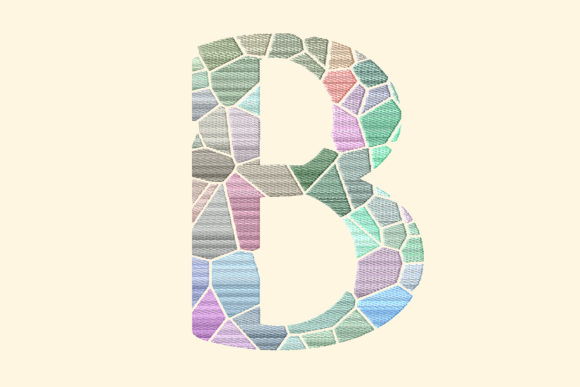
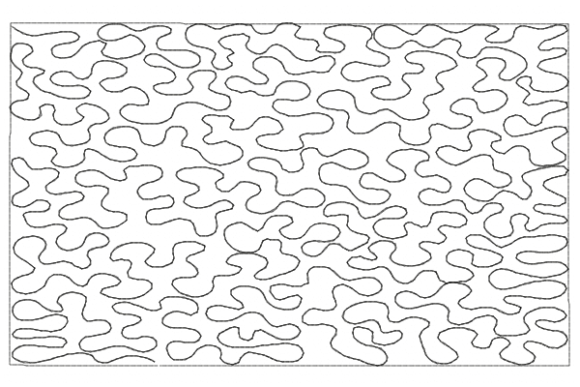
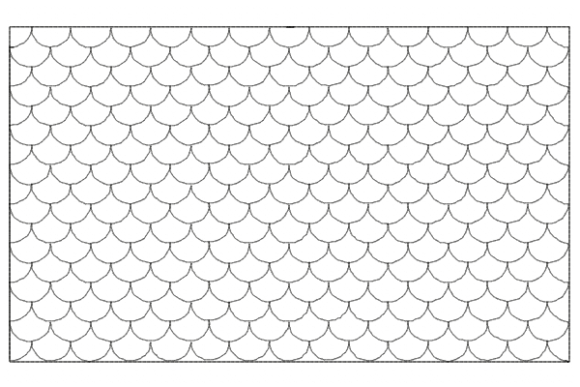
The Fish Scale Pattern Pocket Reading Pillow immediately strikes me as a design that leans towards the organic and textural side of the Shapes category. It does not scream "farmhouse" or "rustic," nor does it feel overly modern or minimal. Instead, it occupies a sweet spot of decorative elegance with a touch of whimsy. For a craft fair booth, where visual texture often stops a passerby in their tracks, this pattern offers a unique opportunity. Unlike solid blocks of color or simple geometric lines, the overlapping scales create depth and movement that catch the light beautifully.
When I imagine this on a display table surrounded by standard tote bags and aprons, the Fish Scale Pattern Pocket Reading Pillow stands out because of its intricate detail. It feels like a premium item rather than a quick, mass-produced souvenir. For the Etsy seller or boutique maker looking to elevate their brand consistency, this design signals attention to detail. It suggests that the maker cares about the quality of the stitch work, which directly influences customer perception of value.
Evaluating Product Applications for Maximum Sales
The description explicitly mentions using this for a pocket reading pillow, outfits, or gifts. However, as a business owner, I need to think beyond the obvious. Let's look at how this embroidery file performs across different product types that are staples in any handmade shop.
- Pillow Covers and Reading Pillows: This is the natural home for the design. On a soft cotton or linen cover, the fish scale pattern mimics the texture of fabric itself, creating a tactile experience. Customers love running their fingers over high-quality embroidery, and this design invites that interaction. It works perfectly as a focal point on a square pillow or as a border accent on a larger throw.
- Tote Bags and Market Bags: If you are producing a tote bag design, consider placing the scales vertically along the side seam or as a large cluster on the front. The organic nature of the shape complements the canvas texture of a tote bag. Just ensure the stitch density is balanced so the bag remains flexible and doesn't crack when folded.
- Kitchen Textiles: For apron embroidery or tea towel embroidery, this pattern adds a sophisticated touch. A kitchen towel with a subtle fish scale motif in muted blues or greens can become a bestseller for those who appreciate coastal or nature-inspired decor. However, be mindful of the fabric texture; thick terry cloth might obscure fine details.
- Embroidered Patches and Caps: This design has great potential as an embroidered patch. The repeating nature of the scales allows for creative cropping. On a cap, a smaller version on the brim could look trendy and modern. The key here is ensuring the design holds up on curved surfaces without puckering.
- Handmade Gifts: As a gift for someone you love, this design feels personal. Whether it's a small pouch for jewelry or a decorative element on a garment, the Fish Scale Pattern Pocket Reading Pillow carries an emotional weight that generic designs lack.
Production Realities: What Sells and What Stalls
While the aesthetic appeal is strong, the practicalities of production cannot be ignored. In a busy craft fair environment, efficiency matters. Does the Fish Scale Pattern Pocket Reading Pillow allow for batch production? Generally, yes, provided the file is optimized. The repetitive nature of the scales means that once you have the hoop size and stabilizer settings dialed in, you can produce multiple units quickly.
However, there are critical areas where things can go wrong. First, consider the stitch density. Fish scales rely on layering to create the illusion of depth. If the density is too high, the fabric may pucker, ruining the drape of a pillow or the flexibility of a tote bag. If it is too low, the design will look sparse and unfinished. You must test the design on scrap fabric that matches your final product material. Do not skip this step.
Secondly, thread contrast is vital. On a dark fabric, the scales might blend together unless you use a bright or metallic thread. Conversely, on a light background, pastel threads might get lost. As an Etsy seller, your photos are your sales pitch. If the thread colors do not pop in your printable mockup or actual photos, customers will scroll past. Always create at least one real mockup to verify how the colors translate from screen to thread.
Critical Care Notes for Designers
Before you commit to a full run of products, keep these technical notes in mind:
- Fabric Texture Matters: Thick fabrics like denim or heavy canvas can swallow tiny details. If your design includes very small scales, they may disappear on textured towels. Adjust the size accordingly.
- Curved Surfaces: Applying this to caps requires careful hooping. The curve of a cap can distort the alignment of the scales. Use a specialized cap frame and adjust the tension.
- Stabilizer Selection: Because of the density required for the scales, a cutaway stabilizer is often better than tear-away to prevent distortion over time, especially on stretchy fabrics used for outfits.
- Licensing Check: Ensure you have the correct commercial embroidery license. Many digital sellers restrict the sale of finished goods made from their files. Verify the terms before listing your items.
Boosting Visual Appeal and Buyer Engagement
The ultimate goal of any craft fair product is to stop the eye. The Fish Scale Pattern Pocket Reading Pillow excels here because it offers a sense of luxury. In a sea of simple lettering and basic shapes, a complex, textured pattern suggests a higher price point and greater craftsmanship. This perception allows you to charge a premium for your small shop product.
For online listings, this design photographs exceptionally well. The interplay of light on the raised stitches creates dimension in 2D photos, making the product look tangible and desirable. When paired with a clean digital embroidery file presentation and high-quality design assets in your listing, it builds trust with the buyer.
Furthermore, the versatility of the Shapes category allows you to mix and match. You could pair the fish scale pattern with other nature-themed elements to create a cohesive collection. This brand consistency helps repeat customers recognize your work instantly, whether they find you at a weekend market or on a digital marketplace.
Final Verdict for the Creative Entrepreneur
In conclusion, the Fish Scale Pattern Pocket Reading Pillow is a strong contender for any serious embroidery business. It bridges the gap between functional home goods and artistic expression. While it requires careful attention to hoop size, stabilizer choice, and thread selection, the payoff in terms of visual impact and perceived value is significant.
If you are preparing for a craft fair, I recommend creating a small batch of pillow covers and perhaps a few tote bags to showcase the design's range. Display them prominently where the light hits the stitches. Watch how customers react to the texture. If they reach out to touch it, you have a winner. Just remember to test, photograph, and license properly. With the right execution, this finished product can become a staple in your inventory, driving both foot traffic and online sales.