Honeycomb Embroidery Design: A Designer's Review
As an embroidery designer who has spent years curating patterns for both personal projects and commercial lines, I approach every new machine embroidery design with a critical eye. The market is flooded with digital assets, but finding a file that balances aesthetic charm with technical reliability is rare. Recently, I downloaded the Honeycomb design from Creative Fabrica to test its viability for a specific client order involving custom apparel and handmade accessories. This review details my honest experience evaluating this embroidery file for real-world application.
First Impressions: Visual Mood and Detail
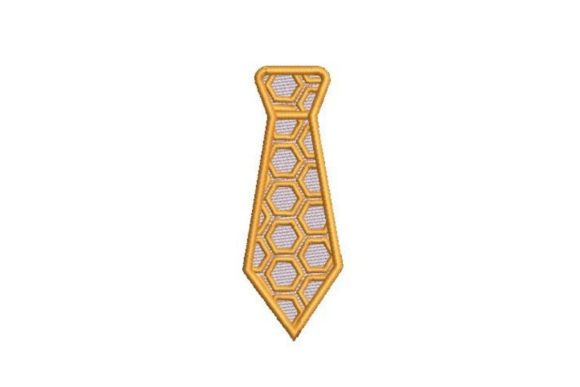
Upon opening the preview of Honeycomb, the immediate visual impact is one of structured warmth. The hexagonal motif is inherently geometric, yet the design execution suggests a softness that avoids looking overly rigid or industrial. For designers focusing on nature-inspired themes or bee conservation awareness, this pattern offers a sophisticated alternative to literal bee illustrations. The description notes a desire to support the declining bee population by wearing this adorable design on a classy suit, which immediately signals a versatile aesthetic capable of bridging the gap between whimsical craft and professional attire.
The detail level appears moderate, relying on clean lines rather than excessive complexity. In the world of digital embroidery files, simplicity often translates to better stitch definition, especially when working with textured fabrics. The decorative appeal lies in its repetitive geometry, which creates a pleasing rhythm when stitched. Whether intended as a standalone focal point or part of a larger composition, Honeycomb exudes a cheerful personality that aligns well with spring and summer collections.
Technical Performance in Real Projects
When translating a digital design into a physical product, the behavior of the stitches becomes paramount. I evaluated how Honeycomb might perform across various substrates commonly used by Etsy sellers and boutique owners. The design seems particularly well-suited for custom apparel where a subtle, high-quality finish is required. Imagine placing this motif on the cuff of a linen shirt or the chest pocket of a canvas tote bag; the structured nature of the honeycomb shape holds up well against the grain of the fabric.
For those creating sweatshirt embroidery, the density of the fill stitch is a crucial factor. While the exact stitch count must be verified on the product page, the visual weight of Honeycomb suggests it will not create a bulky puckering effect if stabilized correctly. This makes it an excellent candidate for hoodies or sweatshirts where comfort is as important as style. Similarly, for embroidered patch creation, the defined edges of the hexagons should cut cleanly, allowing for crisp borders when backing the patches with felt or twill tape.
I also considered its use in home goods, such as kitchen towels, aprons, and pillow covers. The durability of the fill stitch in these areas is essential since these items undergo frequent washing. If the thread colors are chosen to contrast well with the base fabric, Honeycomb can elevate a simple cotton towel into a premium handmade gift. The design's symmetry ensures that even if the fabric stretches slightly during washing, the overall shape remains recognizable and aesthetically pleasing.
Practical Considerations for Execution
Before committing to a production run, any professional embroiderer knows that testing is non-negotiable. When working with Honeycomb, you must pay close attention to your hoop size. Ensure the design fits comfortably within your machine's maximum area without crowding the hoop, which can lead to registration errors. If you plan to use this on curved surfaces like caps, be aware that the flat geometry of the honeycomb may require careful adjustment to avoid distortion on the dome of the hat.
Fabric choice plays a significant role in the final outcome. On dark fabric, the visibility of the design depends heavily on the thread colors selected. Lighter threads will pop against navy or black backgrounds, but you may need to adjust the underlay settings to prevent show-through. Conversely, on stretchy fabrics like jersey or knit blends, using a tear-away or cut-away stabilizer is mandatory to maintain the integrity of the hexagonal shapes. Without proper stabilization, the tension of the needle could cause the fabric to pucker, ruining the "classy" look mentioned in the product concept.
Another critical step is reviewing the stitch density. Some designs appear perfect on screen but become too dense when stitched, leading to thread breakage or fabric damage. Always run a test on scrap fabric that matches your final project material. Inspect the small details after stitching to ensure no gaps exist in the fill and that the satin stitch borders (if present) are smooth and free of ladders. This diligence ensures that your finished product meets the high standards expected by customers purchasing handmade goods.
Commercial Viability and Brand Value
For creative entrepreneurs and small business owners, the value of a design extends beyond its appearance; it impacts brand consistency and customer engagement. Honeycomb offers a unique opportunity to tell a story. By incorporating this design into your commercial embroidery line, you can position your brand as one that cares about environmental causes, specifically bee conservation. This narrative adds emotional value to your products, making them more attractive as personalized gifts or seasonal handmade items.
When listing these items on platforms like Etsy, the visual appeal of the embroidery in your printable mockup photos can significantly influence buyer trust. A well-executed Honeycomb design on a high-quality tote bag or a chic apron demonstrates craftsmanship. It suggests that the seller pays attention to detail, which encourages repeat purchases and positive reviews. Furthermore, because the design is versatile, it can be adapted for various niches, from nursery decor to corporate branding for eco-friendly companies.
However, before selling finished items, it is imperative to confirm the licensing terms on the Creative Fabrica embroidery product page. Understanding whether the license allows for unlimited sales or requires attribution is vital for protecting your business. Once you have verified the legalities, Honeycomb can serve as a reliable asset in your portfolio of design assets, helping you diversify your inventory without compromising on quality.
Final Verdict for Designers
In conclusion, Honeycomb is a thoughtful addition to any embroidery designer's library. It strikes a balance between artistic charm and practical utility, making it suitable for a wide range of applications from tote bag design to sophisticated suit accents. Its geometric structure provides a solid foundation for high-quality stitching, provided that proper stabilizers and thread choices are utilized. While it may not be the most complex applique design available, its simplicity is its strength, ensuring consistent results across different machines and fabric types.
If you are looking for a design that conveys cheerfulness while maintaining a level of class, Honeycomb is worth exploring. Just remember to check the specific file details, such as supported formats and hoop dimensions, directly on the platform before downloading. With careful execution and the right presentation, this design can help you create memorable, high-value products that resonate with customers who appreciate both style and substance.