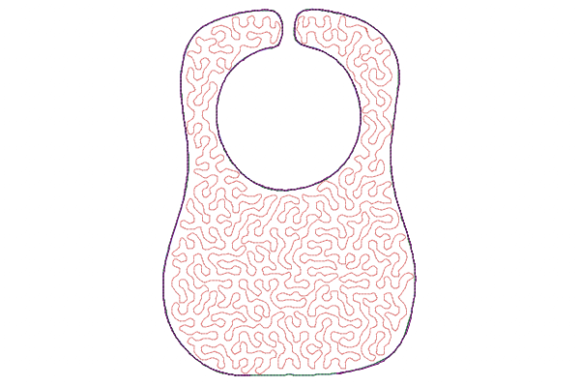
Review: Baby Bib Stippling in the Hoop
As a designer who has spent years navigating the intersection of digital files and physical thread, I approach every new machine embroidery design with a specific set of questions. Will it stitch out cleanly? Does it hold up to the wear and tear of a real product? Most importantly, does it add value to a handmade item or just clutter it? When I first opened the file for Baby Bib Stippling in the Hoop, I wasn't looking for a simple pattern; I was looking for a solution that could streamline my production line for custom baby gifts while maintaining a high-end, boutique feel.
The immediate impression of this design is one of playful sophistication. The stippling technique, when executed correctly, offers a textured depth that flat fill stitches often lack. It creates a visual "pop" without overwhelming the delicate nature of baby items. In my mind, I immediately pictured this on a soft, muslin bib, perhaps paired with a contrasting satin stitch border. The layout feels balanced, suggesting that the final finished product will look intentional rather than haphazard. For an Etsy seller or a small shop owner trying to differentiate their inventory from mass-market goods, this kind of subtle texture is exactly what builds brand consistency and customer trust.
Bringing the Design to Life: A Real-World Scenario
To truly test the potential of Baby Bib Stippling in the Hoop, I imagined a recent client request: a personalized gift basket for a newborn shower. The client wanted something that felt modern yet timeless, avoiding the cliché cartoon characters that dominate the market. I envisioned using this design on a neutral-toned cotton blend fabric. The stippling would provide enough visual interest to stand out against the plain background, while the "in the hoop" nature of the project ensures perfect alignment every time.
In this scenario, the workflow becomes significantly smoother. Instead of cutting fabric pieces by hand and wrestling with applique edges, the machine handles the construction and decoration in a single session. This efficiency is crucial for anyone running a craft business where time is money. If I were preparing a batch of these for a holiday sale, the ability to produce consistent handmade products rapidly would be a game-changer. The design allows for customization—perhaps adding a name in a complementary font below the stippled area—without compromising the structural integrity of the bib.
Performance Across Different Fabrics and Projects
While the primary application is clearly baby items, the versatility of a well-constructed embroidery file like this extends further. I have considered how this design might translate to other custom apparel projects. Imagine a tote bag design featuring this stippled motif as a central patch, or even a sweatshirt embroidery project where the texture adds warmth to a winter garment. The stippling effect works particularly well on medium-weight fabrics where the density of the stitches can be appreciated without puckering the material.
However, not all applications are created equal. When moving beyond standard cottons, we must consider fabric texture. On highly textured surfaces like heavy fleece or ribbed knits, the fine details of the stippling might get lost or cause uneven stitching. Similarly, on very thin fabrics, the stitch density required for a good stipple effect could lead to stiffness or transparency issues. As a professional, I always advise testing the design on scrap fabric first. This step is non-negotiable if you want to ensure your commercial embroidery looks professional.
Navigating Technical Challenges and Limitations
Every embroidery project comes with its own set of constraints, and Baby Bib Stippling in the Hoop is no exception. One critical factor is the hoop size. Since this is an "in the hoop" design, it relies entirely on the stability provided by the hoop during the entire process. If you are working with a smaller hoop, you may need to adjust your stabilizer strategy to prevent shifting. Using the proper stabilizer is essential here; a cut-away stabilizer might offer better support for the repeated layers of stitching involved in stippling, especially if the final product needs to withstand frequent washing.
Another area requiring careful attention is thread colors. Stippling relies heavily on contrast and light reflection. If you choose a thread color too close to the fabric, the texture disappears. Conversely, a high-contrast color choice can make the design pop but might look harsh on a baby item if not chosen thoughtfully. I recommend creating a printable mockup in black and white first to assess the visual weight of the design before committing to expensive threads. This helps in visualizing how the fill stitch and running stitch elements interact under different lighting conditions.
Practical Designer Notes for Success
If you decide to integrate Baby Bib Stippling in the Hoop into your portfolio, keep these practical notes in mind:
- Test Stitch Density: Run a sample to ensure the stippling doesn't create a stiff board-like texture on the fabric. Adjust tension if necessary.
- Check File Formats: While the description mentions multiple digital embroidery file formats, verify compatibility with your specific machine software before purchasing.
- Licensing Clarity: Before selling any finished product or offering this as a personalized gift, confirm the licensing terms. Ensure you are cleared for commercial use of the design assets.
- Stabilizer Selection: Do not skimp on stabilization. The multi-step nature of in-the-hoop designs demands a solid foundation to prevent distortion.
- Fabric Choice: Stick to stable, woven fabrics for the best results. Stretchy materials may require significant modification to the design settings.
Final Verdict on Value and Appeal
Ultimately, the value of Baby Bib Stippling in the Hoop lies in its ability to elevate a simple item into a piece of art. For the creative entrepreneur, it represents a balance between artistic expression and production efficiency. The stippling technique adds a layer of complexity that suggests higher craftsmanship, which directly impacts buyer engagement and perceived value. Customers today are savvy; they can tell the difference between a generic print and a thoughtful, textured embroidered patch or integrated design.
This design fits perfectly within the niche of high-quality baby embroidery and makes an excellent addition to a collection of holiday embroidery items or wedding gifts. It avoids the pitfalls of over-complication while still offering enough detail to justify a premium price point. Whether you are a hobbyist making gifts for friends or a seasoned decorator fulfilling large orders, this design offers a reliable path to a polished result. Just remember to respect the technical requirements of the stitch type, and you will find that Baby Bib Stippling in the Hoop is a versatile asset worthy of your design library.