Ruth Bader Ginsburg Embroidery Design Review
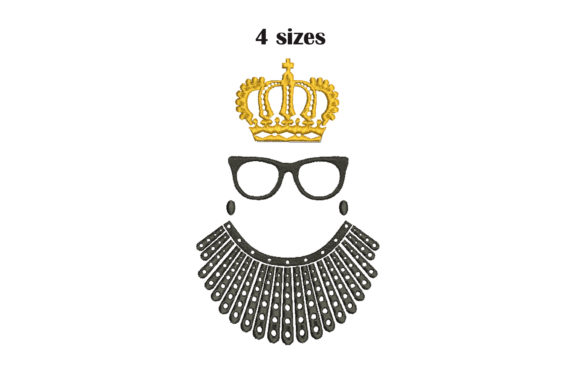
As I set up my booth for the upcoming weekend craft fair, the table is already a mosaic of textures and colors. Tote bags, aprons, tea towels, and caps are laid out in neat rows, each waiting to be judged by the discerning eye of a handmade market shopper. Today, I am evaluating a specific machine embroidery design titled Ruth Bader Ginsburg. This isn't just another pattern; it falls squarely into the Awareness category, carrying a weight that goes beyond simple decoration. The product description promises something profound: "This beautiful embroidery is for every woman, every girlfriend, every mother, and daughter. It s for all women who believe in themselves." As an experienced designer preparing this for production, my goal is to determine if this sentiment translates effectively into a sellable craft fair product.
First Impressions: Bold, Empowering, and Timeless
The first thing that strikes me about the Ruth Bader Ginsburg design is its inherent strength. It does not feel cute or whimsical in a traditional sense; instead, it feels bold, elegant, and deeply respectful. In a sea of farmhouse-style quotes and rustic patterns, this design stands apart as a statement piece. It carries a modern yet timeless quality that appeals to a wide demographic. For the Etsy seller or boutique maker, this design signals a brand that values empowerment and history. It is not merely decorative; it is conversational. When a customer walks past my table, this design has the potential to stop them in their tracks, inviting them to read the story behind the stitches.
The description notes that the file comes with multiple embroidery options, which is a crucial asset for a small shop owner. Flexibility allows me to adapt the design to various product types without losing its core identity. Whether I am aiming for a subtle accent on a cap or a large focal point on a pillow cover, the versatility of the embroidery file is immediately apparent. However, versatility requires careful execution to ensure the message remains clear and impactful.
Product Performance Across Market Goods
When considering where this design will shine, I look at the fabric texture and the intended use of the item. Let's break down how Ruth Bader Ginsburg performs on specific products I plan to feature this weekend.
Tote Bags and Market Bags
The tote bag design is perhaps the most logical home for this motif. A sturdy canvas tote provides a flat, durable surface that can handle the complexity of the design. Placing the embroidery centrally on the front creates a powerful visual anchor. Shoppers at the craft fair often look for bags that make a statement, and this design delivers exactly that. It transforms a utilitarian item into a symbol of solidarity. The thread colors should be chosen carefully here; a high-contrast combination against natural canvas or deep navy blue would ensure the details pop from a distance.
Apron Embroidery and Tea Towels
For the kitchen enthusiast, apron embroidery and tea towel embroidery offer intimate spaces for this message. An apron worn while cooking or baking becomes a daily reminder of strength. The challenge here is the fabric texture. Kitchen towels often have a looped pile, which can sometimes obscure fine details. I must ensure the stitch density is sufficient to sit atop the loops without sinking in. On an apron, the design works beautifully on the bib area, serving as a conversation starter in any social gathering. It elevates a standard kitchen item into a meaningful gift for mothers and daughters alike.
Caps, Patches, and Small Accessories
Small items like embroidered patches and caps require a different approach. The curved surface of a cap can distort lettering if the design is too wide. I need to verify that the hoop size accommodates the curve without puckering. If the design includes tiny details, they may get lost on a small patch unless the stitch density is optimized for smaller scales. However, a well-executed patch on a denim jacket or a backpack offers a trendy, youthful way to wear the message. These small shop products are perfect for impulse buys at the end of a shopping trip.
Pillow Covers and Home Decor
Finally, pillow covers provide a large canvas for the design to breathe. A linen or cotton blend pillow with this embroidery adds a touch of sophisticated awareness to a living room. It photographs exceptionally well for online listings, offering a clean, premium look that suggests high-quality craftsmanship. For the digital seller, creating a printable mockup of this design on a stylish sofa can significantly boost conversion rates on platforms like Etsy.
Practical Production and Selling Considerations
While the concept is strong, the execution determines success. As I prepare to turn this digital embroidery file into finished goods, several practical points come to mind. First, clarity is paramount. Customers at a craft fair scan items quickly. If the text within the design is too small or the lines too thin, the message is lost. I must test the design on scrap fabric to ensure readability at a glance.
Batch production is essential for profitability. I need to confirm that the design is repeatable and consistent. Does the machine pull the thread evenly across different fabric types? Are there dense stitch areas that might cause tension issues? Thick fabrics like heavy canvas require a robust stabilizer to prevent shifting. Without proper backing, even the best design can look messy, ruining the perceived value of the handmade product.
Photography also plays a critical role. The Ruth Bader Ginsburg design needs to look sharp in photos. I will create at least one real mockup to see how the light hits the threads. High-quality images build trust and help the buyer visualize the item in their own life. The visual appeal directly impacts customer attention and engagement at the booth. A well-lit, crisp photo can turn a casual browser into a loyal customer.
Designer Notes for Success
To ensure this project succeeds, I recommend a rigorous testing phase. Do not skip the step of stitching a sample on the exact fabric you intend to sell. Check the thread contrast; dark designs on dark backgrounds often fail to communicate. Review the spacing between elements to avoid overcrowding. Confirm the hoop size matches your machine capabilities to prevent distortion.
Inspect the stitch density closely. Areas that are too dense can stiffen the fabric, making a soft tea towel feel rigid. Conversely, sparse areas might show the backing material through. Use the right stabilizer for every fabric type—tear-away for wovens, cut-away for knits. Finally, always compare fabric colors before committing to a full run. What looks good on a white swatch might clash with a beige tote.
Most importantly, confirm commercial licensing before selling finished products. Even though this design is for awareness, using it for profit requires adherence to the creator's terms. Ensure you have the rights to produce and sell these items as part of your business. This protects your reputation and ensures you are operating ethically within the creative community.
Final Verdict: A Standout for the Conscious Consumer
In conclusion, the Ruth Bader Ginsburg embroidery design is a powerful addition to any craft fair collection. It resonates with the values of the modern consumer, particularly women who seek products with meaning. By carefully selecting the right applications—from tote bags to pillow covers—and paying close attention to technical details like stitch density and fabric texture, this design can become a bestseller. It enhances brand consistency, boosts booth display strength, and fosters genuine buyer engagement. For the commercial embroidery business owner, this is more than a pattern; it is an opportunity to connect with customers on a deeper level through the art of stitching.