Staircase Embroidery Design Review for Small Business
As an experienced embroidery designer who has spent years translating digital files into tangible brand assets, I approach every new machine embroidery design with a critical eye. My goal is never just to make something look "cute"; it is to determine if a design can withstand the rigors of commercial production while elevating a brand's identity. Today, I am reviewing the Staircase design, categorized under House and listed as an Embroidery product. While the description promises a cute addition to home decorations, my focus here is strictly on its viability for small business merchandise, branded patches, and professional apparel decoration.
First Impressions: Visual Personality and Brand Fit
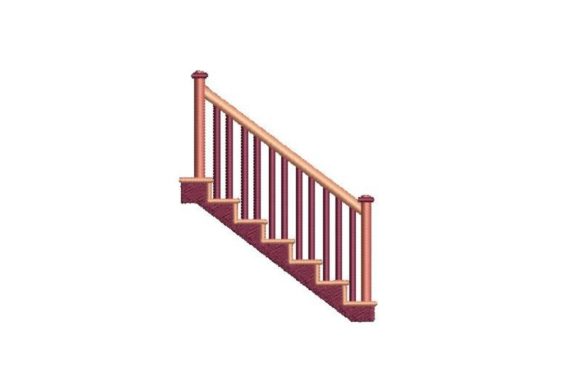
The title Staircase immediately evokes imagery of progress, growth, or a whimsical journey. In the context of a House category design, this often suggests a motif that is either architectural or symbolic. For a small business owner looking to create small business merch, the first impression is crucial. Does this design feel premium and professional, or is it purely decorative? Based on the description, which highlights its cuteness and versatility for accessories, Staircase leans towards a friendly, approachable, and perhaps slightly rustic or handmade aesthetic.
This visual personality makes it an excellent candidate for brands that want to project warmth and creativity. Think of a local bakery, a boutique florist, a creative studio, or a pet brand. These businesses thrive on a connection with their community, and a design like Staircase can serve as a charming accent that softens the corporate edge of standard uniforms. However, for a high-end law firm or a technical consultancy, this playful vibe might clash with a desired image of strict professionalism. The key lies in how you integrate it into your existing design assets.
Real-World Application: From Patches to Uniforms
When evaluating Staircase for real business use, we must move beyond the idea of sewing it onto a pillowcase. How does it perform when applied to custom apparel and functional goods? Let's break down specific use cases where this design could shine.
Branded Patches and Caps
The most versatile application for any embroidered patch design is on caps and jackets. If Staircase features clean lines and distinct shapes, it will translate beautifully into a woven or embroidered patch. Placing this design on the front of a baseball cap creates an immediate focal point. For staff at a café or a retail boutique, wearing a cap with the Staircase logo acts as a walking billboard. It signals to customers that the team is unified and the brand is cohesive. However, because the description mentions "home decorations," one must ensure the design isn't too large or intricate for the limited surface area of a cap front.
Apron Embroidery and Work Shirts
For businesses in the food service or craft industry, apron embroidery is a staple. A design like Staircase works well on the bib of an apron, offering a subtle nod to the brand without overwhelming the wearer. Similarly, on work shirts, placing this design on the chest pocket or sleeve adds a touch of character. It transforms a generic uniform into a piece of branded merchandise that employees are proud to wear. This pride translates to better customer service and higher brand recognition.
Tote Bags and Product Packaging
Tote bag design is another arena where Staircase could excel. Tote bags are essentially mobile advertisements, and a cute, recognizable motif encourages people to carry them around town. Furthermore, using this design as a label or accent on product packaging—such as a sticker on a jar of honey or a tag on a handmade candle—adds perceived value. It tells the customer that attention to detail was paid to every aspect of the unboxing experience.
Critical Considerations for Commercial Production
While the potential is high, there are specific areas where Staircase requires careful handling to avoid production nightmares. As a designer, I always advise clients to test before they commit to a bulk run.
Scale and Detail Issues
The biggest risk with designs intended for "any kind of home decoration" is that they may be optimized for large hoops but fail at small sizes. If Staircase contains fine details or tiny steps in the staircase motif, shrinking it for a small patch or a cuff could result in stitching that blurs together. You must check the stitch density and ensure the outlines remain crisp when scaled down. If the design relies on very thin lines, they may break during washing or get lost on textured fabrics.
Fabric Texture and Color Contrast
Not all fabrics play nice with every design. If you plan to use Staircase on heavy denim, fleece, or textured canvas, the fabric texture might interfere with the visibility of the embroidery. Additionally, thread color selection is vital. A design that looks great in black and white might lose its impact if the thread colors do not contrast sufficiently against the base material. Always request a printable mockup or sew a sample on the actual fabric you intend to use to verify the visual hierarchy.
Stabilizer and Hooping
To achieve a professional finish, especially on items like caps or curved surfaces, the correct stabilizer is non-negotiable. Without proper backing, the Staircase design could pucker or distort, ruining the garment. Confirm the recommended hoop size before purchasing the file; if the design requires a hoop larger than your machine offers, you will need to split the design, which can introduce alignment issues.
Impact on Brand Identity and Customer Trust
Ultimately, the decision to use Staircase comes down to its impact on your brand identity. Consistency is the cornerstone of trust. When customers see the same handmade product aesthetic across your website, your social media, your staff uniforms, and your merchandise, it reinforces your brand story. A well-executed embroidery design signals quality and care. Conversely, a poorly executed one can make a business look amateurish.
By integrating Staircase thoughtfully, you create a visual language that resonates with your target audience. It enhances the finished product by adding a tactile, premium element that screen printing cannot replicate. This added value can justify higher price points and increase buyer engagement. Whether it is a gift for a loyal customer or a uniform for a new hire, the embroidery becomes a symbol of belonging and quality.
Practical Designer Notes for Implementation
Before you finalize your order or begin production, follow these practical steps to ensure success:
- Test in Black and White: Download the digital embroidery file and preview it in grayscale to check for clarity and balance without the distraction of color.
- Verify File Formats: Ensure the package includes the embroidery file formats compatible with your specific machine. The description mentions multiple formats, but double-check that your software supports them.
- Check Licensing: Since this is for business use, confirm the commercial licensing terms. You need the right to use the design on products you sell, not just personal gifts.
- Create a Mockup: Use a printable mockup to visualize how the design sits on a cap, tote, or shirt before spending money on thread and fabric.
- Compare Assets: Place the Staircase design next to your other logos and graphics to ensure visual consistency in style and weight.
- Wash Test: After stitching a sample, wash it according to your garment care standards to ensure the stitches hold up and do not bleed.
In conclusion, the Staircase design offers a charming and versatile option for small businesses looking to add a unique touch to their merchandise. By understanding its limitations regarding scale and fabric, and by applying rigorous testing protocols, you can transform this cute concept into a powerful tool for commercial embroidery projects. It is not just about sewing a picture; it is about building a brand that stands out in a crowded market.