Wash: A Designer's Review for Craft Fair Success
As I set up my table for the upcoming weekend craft fair, I am surrounded by a sea of handmade products. From tote bags to aprons, every item needs to shout "buy me" without saying a word. Today, I am reviewing a new machine embroidery design called Wash. This piece is categorized under Cleaning, but in the world of handmade goods, that category often translates to chic home decor and functional art. My goal is to determine if Wash has the visual punch to stand out on a crowded booth table and the practicality to be produced quickly for high-volume sales.
First Impressions: The Vibe of Wash
When I first loaded the digital embroidery file onto my hoop, the aesthetic of Wash immediately clicked with current market trends. It does not feel cluttered or overly busy; instead, it strikes a balance between modern minimalism and rustic farmhouse charm. For an Etsy seller or boutique maker, this versatility is gold. The design feels fresh and clean, which is exactly what customers look for when browsing bathroom accessories or kitchen linens. It has a premium feel that suggests quality craftsmanship, yet it remains approachable enough for everyday use. In a sea of generic floral patterns, Wash offers a distinct identity that can elevate a simple hand towel into a sought-after handmade product.
Product Placement: Where Wash Shines
The true test of any design is how it translates across different substrates. As I plan my inventory, I have identified several key applications where Wash will likely drive sales:
- Tea Towel Embroidery: This is the most obvious fit. Placing Wash on a high-quality linen or cotton tea towel creates an instant classic. The texture of the fabric complements the stitch work, making it perfect for gift baskets or standalone items at a craft fair.
- Tote Bag Design: For the eco-conscious shopper, a canvas tote bag featuring Wash serves as both a utility item and a fashion statement. It works well as a large focal point on the front or a subtle accent near the handle.
- Apron Embroidery: Kitchen aprons are high-margin items. Embroidering Wash on the chest pocket or lower panel adds a personalized touch that mass-produced aprons lack. It appeals directly to home cooks and baking enthusiasts.
- Embroidered Patch: Creating patches allows for maximum flexibility. Customers can buy them to iron onto denim jackets, backpacks, or old jeans. This low-cost add-on is excellent for increasing the average order value in a small shop product lineup.
- Pillow Covers: A decorative pillow cover with Wash embroidered in the center can transform a living room. It bridges the gap between cleaning themes and interior design, appealing to those who love a tidy, stylish home.
Selling Points: Visual Appeal and Customer Engagement
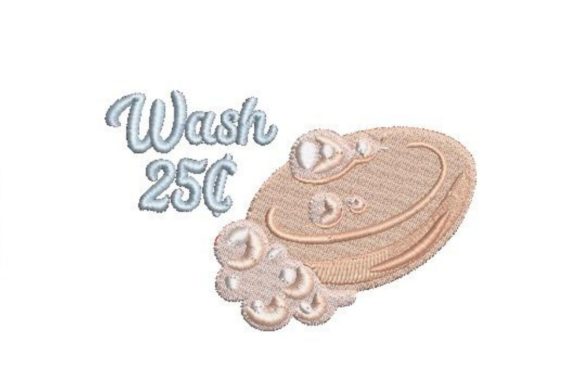
At a craft fair, you have seconds to capture a customer's attention. Wash succeeds because it is easily understood at a glance. There is no confusion about what the design represents; it communicates cleanliness and care instantly. When displayed on a finished product, such as a crisp white towel or a neutral beige pouch, the thread colors pop, drawing the eye immediately. This visual clarity is crucial for commercial embroidery success. Customers do not want to squint to see the details; they want to see something beautiful and useful right away.
Furthermore, Wash photographs exceptionally well. For those selling online via Etsy or social media, the design creates a clean, bright image that looks professional in printable mockups and real-life photos. The simplicity of the design ensures that it does not get lost in complex lighting or shadows, making your design assets work harder for you in digital listings.
Production Realities: Practical Notes for Makers
While the design is visually stunning, we must address the technical side of production. As an experienced designer, I recommend running a few tests before committing to a full batch for the weekend market.
Stitch Density and Fabric Texture
Because Wash is intended for cleaning items, you may be tempted to use thick, textured towels. Be cautious here. High-pile fabrics can sometimes obscure fine details or cause stitching issues. Always check the stitch density on your specific fabric type. If the design is too dense, it might pucker thin cotton or sink into thick terry cloth. Conversely, if there are tiny details, ensure they remain visible after washing. A quick test run on scrap fabric is non-negotiable to avoid ruining expensive materials.
Hoop Size and Stabilizer
Confirm the required hoop size before purchasing bulk fabric. You do not want to discover mid-production that your design requires a 10x10 hoop when you only have 5x7 hoops available. Additionally, the right stabilizer is critical. For towels and stretchy fabrics like jersey tees, a cutaway stabilizer will provide the necessary support to keep the stitches flat and durable. Without it, the embroidery file may result in warped edges that look unprofessional.
Thread Colors and Contrast
To maximize impact, play with thread colors that contrast well with your base fabric. While white on navy or black on cream are safe bets, consider using pastel threads on dark fabrics for a modern twist. However, remember that very light threads on dark fabrics may require more layers to achieve opacity, which increases production time. Balance aesthetics with efficiency.
Strategic Advice for Digital Sellers
If you are planning to sell the digital embroidery file itself rather than just finished goods, ensure you understand the licensing terms. Many designers offer commercial licenses that allow buyers to sell finished products, but restrictions vary. Always confirm these details before listing the file in your shop. Additionally, creating a diverse range of design assets, such as video tutorials showing the embroidery process, can significantly boost buyer confidence and engagement.
For those focusing on physical goods, consider batch production. Since Wash is versatile, you can produce a small line of matching items—like a towel, a cap, and a pouch—to create a cohesive display. This "shop the look" strategy encourages customers to buy multiple items, increasing your revenue per visitor. Just remember to inspect each piece for loose threads or skipped stitches before placing it on the table. Quality control is the hallmark of a successful craft fair product.
Final Verdict for Your Booth
In conclusion, Wash is a strong contender for any embroidery business owner looking to expand their catalog. Its ability to blend functionality with style makes it a standout choice for handmade gifts and home decor. Whether you are selling at a bustling outdoor market or curating a digital storefront, this design offers the potential for high engagement and repeat sales. By paying attention to fabric choices, stabilizer usage, and color contrast, you can ensure that every piece bearing the Wash design meets the high standards your customers expect. It is time to hoop up, test, and bring this creative vision to life.