Anime Embroidery Design Review for Craft Fairs
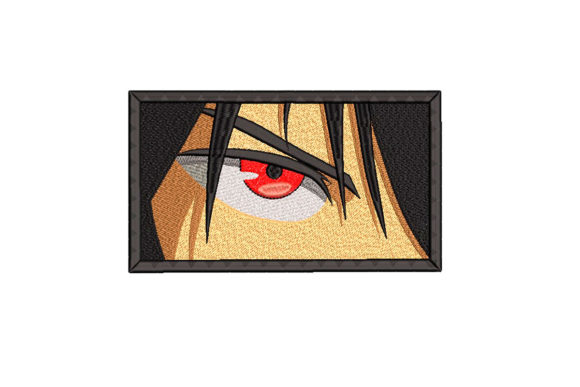
As an experienced embroidery designer who has spent countless weekends setting up booths and managing inventory, I approach every new machine embroidery design with a critical eye. When I first opened the file for Anime, my immediate thought was about its potential to capture the attention of a specific demographic while maintaining high perceived value. This design is explicitly categorized for Teenagers, which immediately signals a need for boldness, trend awareness, and visual impact. The description promises that this cool embroidery will decorate clothes and interior items, allowing you to choose the color scheme at your discretion. For a craft fair seller or Etsy shop owner, this flexibility is a double-edged sword; it offers creative freedom but demands careful execution to ensure the final product looks premium rather than amateurish.
First Impressions: Bold, Modern, and Youthful
The aesthetic of the Anime design feels distinctly modern and energetic. It does not lean towards farmhouse, rustic, or traditional elegance. Instead, it carries a vibe that is playful yet stylish, perfect for the current handmade market where personalization is key. When evaluating this as a craft fair product, the design stands out because it breaks away from the floral and script-heavy patterns that often dominate local markets. It appeals directly to the desire for unique self-expression found in younger buyers. However, the "cool" factor relies heavily on how well the design translates from a digital screen to physical thread. The description notes that the right selection of materials for embroidery will ensure success, which is a crucial reminder that the design itself is only half the battle.
Product Application: Where Anime Shines
To maximize sales, we must determine which products best showcase this design. Based on the visual weight and style of Anime, here is how it performs across various handmade product categories:
- Tote Bags: A canvas tote bag is arguably the strongest vehicle for this design. The flat surface allows the details to breathe, and the casual nature of a tote aligns perfectly with the Teenagers demographic. A large placement on the front makes it a statement piece.
- Embroidered Patches: Creating patches from this design is a smart move for a booth display. Patches are lower cost to produce, easier to ship, and allow customers to customize their own jackets or bags. They act as excellent impulse buys.
- Caps and Headwear: While caps are popular, the curved surface can distort the geometry of Anime. If used, keep the design small and centered to avoid distortion. Ensure the cap fabric is smooth enough to hold the stitch definition.
- Apron Embroidery: An apron offers a larger canvas, making this a viable option for kitchen gifts. However, ensure the design is placed high enough to be visible when worn, or consider it as a decorative element on a pocket.
- Tea Towel Embroidery: Kitchen textiles are always in demand. Placing Anime in the corner of a high-quality linen tea towel adds a touch of personality to a functional item. Just be mindful of the fabric texture, as thick loops can hide fine details.
- Pillow Covers: These work well for home decor, transforming a standard cushion into a personalized gift. The soft backing of a pillow helps the embroidery sit flat, enhancing the visual appeal.
Selling Points and Visual Appeal
When setting up a table display, the goal is to create a focal point that draws people in. The Anime design excels here because it is instantly recognizable as a pop-culture adjacent style without being generic. For the Etsy seller or boutique maker, this design increases the perceived value of the finished product. Customers are willing to pay more for items that feel curated and trendy. The ability to offer custom thread colors based on the customer's preference adds a layer of service that elevates the brand consistency of your shop.
In terms of photography for online listings, this design photographs exceptionally well. The contrast between the vibrant threads and neutral fabrics creates images that pop on social media feeds. When creating printable mockups for your website, ensure you use high-resolution photos that show the texture of the stitches. Buyers want to see the quality of the commercial embroidery before they commit to a purchase. The design's clarity at a glance is a major selling point; customers browsing a busy craft fair booth need to understand what they are looking at within seconds.
Production Challenges and Practical Notes
While the design is promising, there are practical hurdles to navigate during production. As a professional, I advise caution regarding the following areas:
- Dense Stitch Areas: Check the stitch density carefully. If the design packs too many stitches into a small area, it can pucker thin fabrics like t-shirts or light tote bags. You may need to adjust the settings or use a heavier stabilizer.
- Tiny Details: Some elements of Anime might be intricate. If you attempt to scale the design down for a small pouch or patch, these details could get lost or turn into blobs of thread. Always test the smallest size you intend to sell.
- Fabric Texture: Textured towels or heavy denim can interfere with the precision of the design. On a looped towel, the needle might skip, or the thread might sink into the weave, reducing visibility. Smooth cotton or canvas is preferred.
- Dark Fabric: Using dark backgrounds requires a different approach. You will likely need a cut-away stabilizer and potentially a underlay stitch to make the colors pop. Without proper backing, the design may look muddy on black or navy materials.
- Curved Surfaces: As mentioned with caps, curved surfaces require precise hooping. If the hoop is too tight, it distorts the fabric; too loose, and the stitching shifts. Practice hooping on scrap fabric first.
Designer Checklist for Success
Before you mass-produce items featuring Anime for your next market weekend, follow this checklist to ensure quality control:
- Test on Scrap Fabric: Never run a batch without a test. Use the exact fabric and stabilizer you plan to sell. Inspect the back of the embroidery to ensure no loose threads or excessive waste.
- Check Thread Contrast: Verify that your chosen thread colors stand out against the base material. Low contrast designs can look unfinished.
- Review Spacing and Hoop Size: Confirm that the design fits comfortably within your machine's hoop size without needing to re-hoop, which can cause misalignment.
- Inspect Stitch Density: Look for puckering. If the fabric pulls, reduce the density or switch to a tear-away stabilizer for lighter items.
- Create Real Mockups: Make at least one real sample of each product type (tote, patch, cap) to photograph. Real photos sell better than digital renderings.
- Compare Fabric Colors: Test the design on at least three different fabric colors to see which combination sells best.
- Confirm Licensing: Ensure you have the right to use this digital embroidery file for commercial purposes. Check if the license covers selling finished goods or just the file itself.
Final Verdict for Small Shop Owners
The Anime design is a strong contender for any small shop product line targeting youth culture. It offers the versatility needed for a diverse inventory, from wearable accessories to home decor. Its success depends entirely on the craftsmanship applied during production. By paying attention to fabric texture, stabilizer choice, and color coordination, you can transform this embroidery file into a best-selling item. For the creative entrepreneur, this design represents an opportunity to tap into a passionate market segment that values uniqueness and quality. With the right presentation and attention to detail, Anime can become a signature piece that defines your brand at the next craft fair.