Antler Embroidery Design: A Craft Fair Review
As I set up my table for the upcoming weekend craft fair, the decision of which machine embroidery design to feature next is always a mix of artistic intuition and market reality. Today, I am reviewing the Antler design from the Wild Animals category. This isn't just about how it looks on a screen; it is about how it translates into a tangible, sellable handmade product that stops shoppers in their tracks. For any Etsy seller, boutique maker, or creative entrepreneur preparing a booth display, understanding the practical application of a design like Antler is the difference between a stack of unsold inventory and a cleared table by Sunday afternoon.
First Impressions: Rustic Elegance Meets Modern Appeal
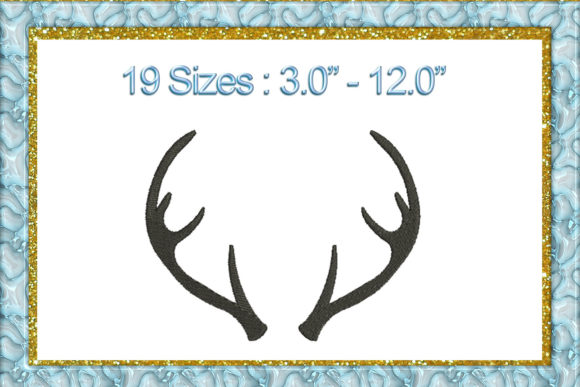
When I first loaded the embroidery file onto my machine, the Antler design immediately struck me as having a versatile aesthetic. It does not feel overly cartoonish or strictly traditional. Instead, it balances a rustic charm with a modern, clean silhouette. In the context of current trends, this design fits perfectly into the "cottagecore" and "farmhouse chic" movements that dominate many handmade markets. The lines are defined enough to look premium, yet simple enough to be approachable. For a craft fair product, this visual clarity is essential. Shoppers scanning a crowded booth need to understand what they are looking at within seconds. The Antler motif achieves this instantly, signaling nature, strength, and earthy style without needing words to explain it.
Product Potential: Where Antler Sells Best
The true test of any digital embroidery file is its performance across different substrates. As I prepare my samples, I have identified several key products where the Antler design truly shines. On tote bag design projects, particularly those made from sturdy canvas, the antlers serve as a bold focal point. They look substantial and high-quality, elevating a simple bag into a statement piece. Similarly, for apron embroidery, placing the design on the chest pocket creates a charming, professional look that appeals to home cooks and gardeners alike.
I am also testing this on tea towel embroidery. The texture of the terry cloth can sometimes hide fine details, but the structural shape of the antlers holds up well here, adding a touch of sophistication to kitchen linens. For smaller items, the design works beautifully as an embroidered patch. These patches are low-risk inventory for a small shop owner because they can be applied to caps, denim jackets, or backpacks later, increasing the perceived value of the base item. Furthermore, using Antler on fabric pouches and pillow covers offers a great way to create giftable sets. The symmetry of the design ensures it looks balanced even on smaller surfaces, making it ideal for batch production during the busy season.
Production Realities: Stitch Density and Fabric Choice
While the aesthetic appeal is high, a professional designer must look beneath the surface to ensure production efficiency. The description for Antler explicitly notes the importance of using proper stabilizer and needle size, especially with fine-gauge and knit fabric. This is a critical warning for anyone planning to use this design on delicate materials. If you attempt to stitch this on a thin jersey or a loosely woven linen without adequate backing, the fabric will pucker, and the stitch density may overwhelm the material. Always test the design on scrap fabric first to confirm the tension settings.
Regarding thread colors, the design benefits from high contrast. Earth tones like browns, creams, and sage greens work naturally, but a pop of rust orange or deep navy can make the product stand out in a sea of neutrals. However, be cautious with dark fabrics. If the design includes fine inner details, stitching them on black or charcoal fabric might require a very bright thread color to maintain visibility. Additionally, when applying this to curved surfaces like caps, the hoop pressure must be managed carefully to avoid distorting the antler tips. The hoop size should be large enough to capture the full span of the antlers without stretching the fabric excessively, which could lead to uneven stitching.
Marketing and Display Strategy for Small Shops
For the Etsy seller or booth owner, how you present the finished product is just as important as the stitching itself. The Antler design photographs exceptionally well. Its organic lines create interesting shadows and depth in photos, which is crucial for online listings. When creating printable mockups or taking real-life photos for your social media, place the embroidered items near natural elements like wood, stone, or dried flowers to reinforce the theme. This visual storytelling increases buyer engagement and helps customers imagine the product in their own homes.
In a physical booth setting, the design assets should be displayed at eye level. A rack of aprons with the antler stitched prominently on the pocket draws attention faster than flat-lay items. The design's recognizability means it acts as a brand anchor; if a customer sees one item they love, they are more likely to browse other items featuring the same motif. This consistency builds trust and encourages larger purchases. For commercial embroidery purposes, the repeatability of the design allows for efficient batch production. Once you have dialed in the stabilizer and thread tension, you can produce multiple units quickly, ensuring you have enough stock for a busy Saturday morning rush.
Essential Designer Notes for Success
To maximize the quality of your finished product, adhere to these practical guidelines derived from hands-on experience. First, never skip the test run. Stitch the Antler design on the exact fabric and stabilizer combination you intend to sell. Check for skipped stitches, especially in dense areas where the antler branches meet. Second, review the spacing if you plan to combine this design with text or other graphics. The antlers have a specific width, and crowding them can ruin the elegance of the piece. Third, confirm your commercial licensing before selling any finished goods. While the design is a powerful tool for business, respecting the intellectual property rights of the creator is non-negotiable for a reputable small shop product line.
Finally, consider the tactile experience. Customers at craft fairs love to touch the back of embroidery. Ensure your stabilizer choice results in a smooth finish on the reverse side, free of loose threads or excessive adhesive residue. By paying attention to these details, you transform a simple embroidery design into a premium offering. The Antler motif has the potential to become a signature piece in your collection, bridging the gap between rustic tradition and modern craftsmanship. With careful execution and strategic presentation, it is ready to find a home in the hands of your most appreciative customers.