Cowboy Bear: A Designer's Practical Review
As a designer who has spent years curating assets for both personal crafting and commercial production, I approach every new machine embroidery design with a critical eye. The market is flooded with generic patterns, but occasionally, a file arrives that sparks immediate project ideas. That was my experience with the Cowboy Bear. At first glance, it promises a blend of rustic charm and whimsical character, fitting perfectly into the Wild Animals category while offering something distinct from standard wildlife motifs. Before integrating this into any real-world project, however, I needed to evaluate how it translates from a digital preview to a stitched reality.
The First Impression: Mood and Visual Personality
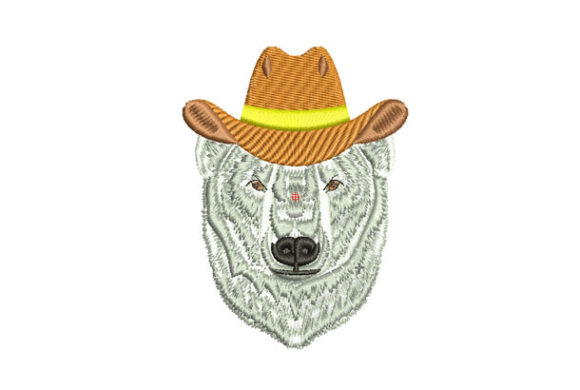
When I opened the Cowboy Bear embroidery file on my screen, the visual personality was immediately apparent. It captures a "creative wild character" that feels less like a documentary illustration and more like a storybook element. The bear wearing cowboy attire creates a playful narrative that appeals to a wide demographic, from young children to adults who appreciate Americana or western-themed decor. The layout appears balanced, suggesting that the design has been thoughtfully constructed to handle the complexities of animal fur textures alongside the geometric lines of hats and boots.
For an Etsy seller or boutique owner, this kind of thematic clarity is vital. It tells a story before a single stitch is pulled. The design suggests a mood that is adventurous yet cozy, making it a versatile asset for seasonal collections or year-round merchandise. Unlike generic clip art, the Cowboy Bear feels like a finished product waiting to be brought to life through thread.
Real-World Application: From Tote Bags to Sweatshirts
To truly understand the value of this machine embroidery design, I imagined it in specific scenarios. Picture a heavy cotton canvas tote bag intended for a craft fair. Placing the Cowboy Bear on the front pocket would instantly elevate the item from a simple carrier to a branded accessory. The contrast of the bear against the natural fabric would likely pop, especially if utilizing bold thread colors as suggested by the design's multiple color options.
I also considered its application on custom apparel, specifically a heavyweight sweatshirt. In this context, the Cowboy Bear could serve as a statement piece on the chest or back. For small business owners creating holiday embroidery gifts, this design fits perfectly into winter collections. Imagine a personalized gift for a child who loves animals and western themes; the unique nature of the design ensures the recipient receives something special rather than a mass-produced item.
Furthermore, the design holds potential for home decor items like pillow covers or kitchen towels. The whimsical nature of a bear in a cowboy hat adds a touch of humor and warmth to a nursery or a country-style kitchen. As a digital product seller, I see this as a strong candidate for printable mockups to showcase to clients, proving that the design assets are robust enough to drive buyer engagement.
Navigating Technical Challenges and Fabric Choices
While the visual appeal is strong, practical execution requires careful planning. Any experienced embroiderer knows that not all designs perform equally on every surface. When working with the Cowboy Bear, one must be mindful of the fabric texture. On smooth cotton or denim, the details should render beautifully. However, on textured fabrics like fleece or thick wool, the finer details of the bear's face or the hat's brim might get lost if the stitch density isn't optimized.
Stretchy fabrics present another challenge. If you plan to use this design on a t-shirt or baby clothing, the stability of the hoop is crucial. Without proper stabilizer, the tension from the fill stitch and satin stitch areas could cause puckering, ruining the professional look of the finished product. Similarly, curved surfaces like caps require a specialized cap hoop. The Cowboy Bear's shape needs to be evaluated to ensure it doesn't distort when wrapped around a curved brim.
Dark fabrics also demand attention. While the design comes with multiple embroidery f colors, stitching light-colored threads on dark backgrounds often requires underlay stitches to prevent show-through. If you are producing embroidered patches for sale, testing the design on black fabric first is essential to ensure the white or tan threads stand out clearly without needing excessive density that could stiffen the patch.
Practical Designer Notes for Success
- Test on Scrap Fabric: Never skip the test run. Stitch the Cowboy Bear on a scrap of your actual project material to check for registration issues and thread breaks.
- Check Thread Color Contrast: Ensure the chosen palette provides enough contrast for the design to be recognizable at a glance, especially for small shop products viewed online.
- Review Stitch Density: Inspect the file settings. Areas with high detail may need reduced density to avoid bulk, particularly if using thicker threads.
- Confirm Hoop Size: Verify that your machine's hoop can accommodate the full width and height of the design without cropping important elements.
- Inspect Small Details: Zoom in on the digital preview to check for tiny lettering or intricate corners that might fail during stitching.
- Use Proper Stabilizer: Whether using tear-away, cut-away, or wash-away, match the stabilizer to the fabric type to maintain the integrity of the embroidery project.
- Verify Licensing: Before selling finished items or digital files, confirm the license terms. Some designs are restricted to personal use only, while others allow for commercial embroidery sales.
Impact on Brand Value and Customer Trust
In the competitive world of handmade goods, the quality of your embroidery directly influences customer trust. A well-executed Cowboy Bear design signals professionalism and attention to detail. Conversely, a poorly stitched version with loose threads or misaligned shapes can damage a brand's reputation. For creative entrepreneurs, selecting high-quality design assets is an investment in their brand consistency.
When customers purchase a personalized gift or a custom apparel item, they expect durability. They want to know that the embroidery will withstand frequent washing without fading or unraveling. By carefully evaluating the Cowboy Bear design and adhering to best practices in stabilization and thread selection, you ensure that the final product meets these expectations. This reliability fosters repeat business and positive reviews, which are the lifeblood of any craft business.
Final Thoughts on the Cowboy Bear Design
The Cowboy Bear machine embroidery design offers a compelling mix of creativity and utility. Its unique character makes it a standout choice for those looking to add a wild, fun element to their sewing projects. Whether you are a hobbyist making a one-off gift or a small shop owner stocking up on holiday merchandise, this design has the potential to enhance your portfolio significantly.
However, success lies in the execution. By respecting the technical requirements of the embroidery process—checking stitch counts, choosing the right stabilizer, and testing on various fabrics—you can transform this digital file into a tangible, high-quality product. The Cowboy Bear is more than just a pattern; it is an opportunity to create memorable, handcrafted items that resonate with customers and stand the test of time. As always, review the specific file details provided with your download to ensure compatibility with your equipment before starting your next big project.